
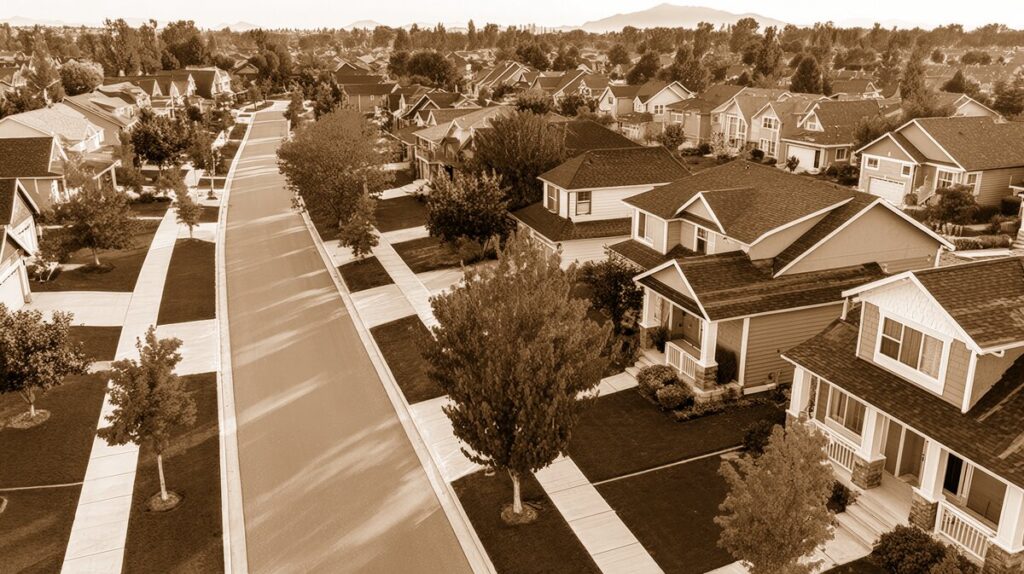
Discovering Paxton Hill: Where History and Community Intertwine
Nestled on the gentle rise north of central Ludowici, the Paxton Hill neighborhood stands as both a testament to the city’s vibrant past and a living canvas of its ongoing story. For decades, Paxton Hill has provided a welcoming home to generations, and walking its shady lanes offers a warm sense of belonging amidst the whisper of history. Whether you’re new to Ludowici or a lifelong resident, there’s something magical about the way Paxton Hill keeps its heritage close to heart.
Origins of Paxton Hill: A Name Rooted in Legacy
The story of Paxton Hill dates back to the early 1900s, paralleling the rise of Ludowici itself. The neighborhood takes its name from the Paxton family—one of the first prominent families to settle in the area. John Paxton, a Scottish immigrant, and his wife, Margaret, purchased a wide tract of rolling land just north of Main Street after the railroad boom transformed Ludowici into a pivotal regional hub.
Locals began referring to the hilly stretch where the Paxton homestead stood as “Paxton’s Hill,” and the name stuck. Over the decades, as more families bought plots and the area blossomed into a vital community, the neighborhood became formally known as Paxton Hill—a nod to its first stewards and the gentle slope that distinguishes its landscape.
Key Historical Milestones
Paxton Hill witnessed monumental change across the decades, mirroring the growth and resilience of Ludowici itself. Some key milestones include:
- The Paxton Farmstead (circa 1905): The white clapboard farmhouse that once overlooked Park Avenue was a gathering place for early residents. Though no longer standing, the stone foundation remains visible on Ellerslie Street—a quiet reminder of simpler times.
- The 1922 Railroad Expansion: With the flourishing of rail transport, Paxton Hill became home to many railway workers. The stately brick cottages along Maple Lane were originally built for train engineers and conductors and still stand, beautifully preserved.
- The Founding of Oakview Park (1947): Oakview Park, located at the heart of the neighborhood, was established as a communal green space. Early photographs show families picnicking under the ancient oak trees, an enduring tradition each spring.
- Establishment of Paxton Hill Elementary (1958): On the corner of Willow Road stands the cherished elementary school, an anchor of the neighborhood, fostering community spirit for nearly seven decades.
Notable Landmarks and Heritage Sites
Paxton Hill may be small, but its streets are adorned with sites that echo its history:
- Oakview Park: The picturesque park on Oakview Lane is the heart and soul of Paxton Hill. With towering oaks, winding walking paths, and the original 1950s wooden pavilion still in service, it’s a beloved gathering spot for block parties and seasonal festivals.
- The Old Water Tower: At the end of Highland Drive, the retired water tower—erected in 1928—is both a navigational marker and an iconic symbol of neighborhood resilience. Residents fondly recall how it served as a meeting landmark for generations of children on bicycles.
- St. Margaret’s Chapel: While not as grand as some downtown churches, the stone-walled St. Margaret’s on Birch Street has quietly served the community since 1932. Its original stained glass and hand-carved pews tell stories of weddings, baptisms, and neighborhood gatherings.
Streets, Stories, and Changing Times
Walking through Paxton Hill is like stepping into a living history book. The streets themselves—like Paxton Street, Maple Lane, Ellerslie, Oakview Lane, and Highland Drive—have their own personalities, shaped by decades of neighbors looking out for one another.
- Ellerslie Street: Once a dirt lane used by farm wagons, Ellerslie became a cornerstone as new houses sprang up in the 1950s to accommodate Ludowici’s postwar expansion. Today, it’s known for its mature crepe myrtles and old-fashioned lamp posts.
- Oakview Lane: Running along the rim of Oakview Park, this is the place for families strolling with dogs, kids zipping by on scooters, and neighbors sharing news over garden fences.
- Paxton Street: The original thoroughfare where the Paxton farmhouse stood, now lined with a charming mix of bungalows and historic cottages.
Evolution Over the Decades
Over the years, Paxton Hill has grown while carefully preserving its unique character. The boom of the 1970s and ’80s brought new residents and a handful of modern ranch-style homes, but the neighborhood retained its tree-lined charm and close-knit spirit.
Efforts by the Paxton Hill Neighborhood Association—a group of passionate volunteers—have ensured that development remains thoughtful and consistent with the area’s historic roots. Annual events like the Paxton Hill Homecoming Picnic and the Oakview Spring Festival bring old-timers and newcomers together, celebrating the shared legacy of small-town camaraderie.
Today, while new families bring fresh energy and ideas, the values that shaped Paxton Hill endure: neighborliness, pride of place, and a reverence for history. Children still race under the lilacs of Oakview Park. Porch lights still flicker on at dusk along Paxton Street. The foundation stones of the old farmstead survive as a touchstone for anyone who wonders where it all began.
What Makes Paxton Hill Special
Ask anyone who has called Paxton Hill home, and you’ll hear the same refrain—the neighborhood is cherished for its blend of history, beauty, and community. There’s a sense of rootedness here, woven into every street and echoed in every gathering at the park.
- Heritage: Generations of families have left their mark, teaching new residents the value of stewardship.
- Green Spaces: Oakview Park is the neighborhood’s green heart, a peaceful oasis cherished by all.
- Architectural Charm: From brick railroad cottages to 1920s bungalows, Paxton Hill’s homes are living landmarks.
- Community Spirit: With traditions that stretch back a century, this is a place where people matter.
To stroll Paxton Hill is to connect with the rhythms of Ludowici’s past and present. For those lucky enough to call it home, the neighborhood is more than a collection of houses—it’s a living legacy, built on the foundation of those who came before and growing stronger with each new chapter.